The Art of the Measure
Before the cloth, before the chalk, before the first cut, there is only a measure. It is the quietest act of the house, and the most decisive. To measure well is already to make well: a few minutes in which a body is read, and a trust is set down by hand.
The Appointment
The measure begins with stillness. A room kept deliberately plain, a daylight that asks nothing, an hour set aside and unhurried. There is no display, no catalogue, no persuasion, only attention. The one who comes is not a client to be served but a person to be read, and the first gesture of the house is to make space for them to simply stand and be seen. This is the oldest courtesy of haute mesure: to slow time. Long before a tape is unrolled, the maison listens, to a posture, a habit of movement, the way a shoulder is carried. The appointment is the first act of respect, and respect, here, is the material we work in.
The Body as a Portrait
A figure is never a column of numbers. The tape records, but the eye composes. One shoulder sits a degree lower; a stance favours the right; a back is held with the discipline of a life spent upright. None of this is corrected, it is honoured. The measure reads a body the way a portraitist reads a face: not for symmetry but for character, for the small asymmetries that make a person unmistakably themselves. To cut against them would be to flatter a stranger. The grande remise tradition holds that excellence of service is excellence of attention, and the measure is attention made precise, a likeness taken not in ink, but in inches kept faithful to one wearer alone.
A Trust Set Down by Hand
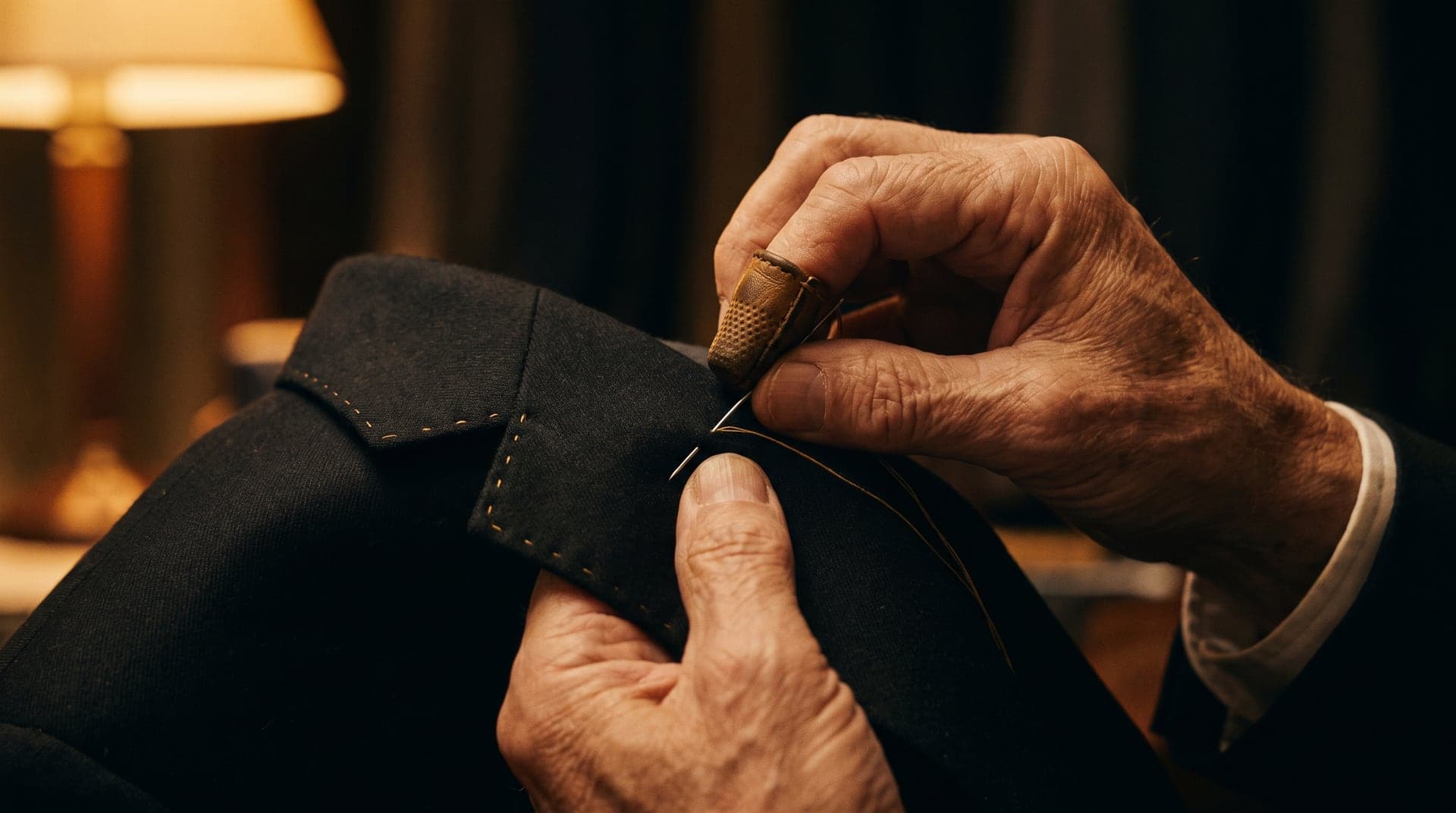
The figures are written by hand, in a carnet that belongs to no one else. They are not a record of size but of confidence, a private grammar by which a garment, a glove, a case will one day be made to answer only to its wearer. Nothing here is shared, displayed, or repeated. To measure someone is to be entrusted with the shape of them, and that trust is held as closely as the numbers themselves. This is why the discipline of listening must come before a single cut: the cloth can be replaced; the trust cannot. To make well, one must first have measured well, and to have measured well is, quietly, to have already begun.
« To measure someone is to be entrusted with the shape of them, and that trust is kept as closely as the figures themselves. »
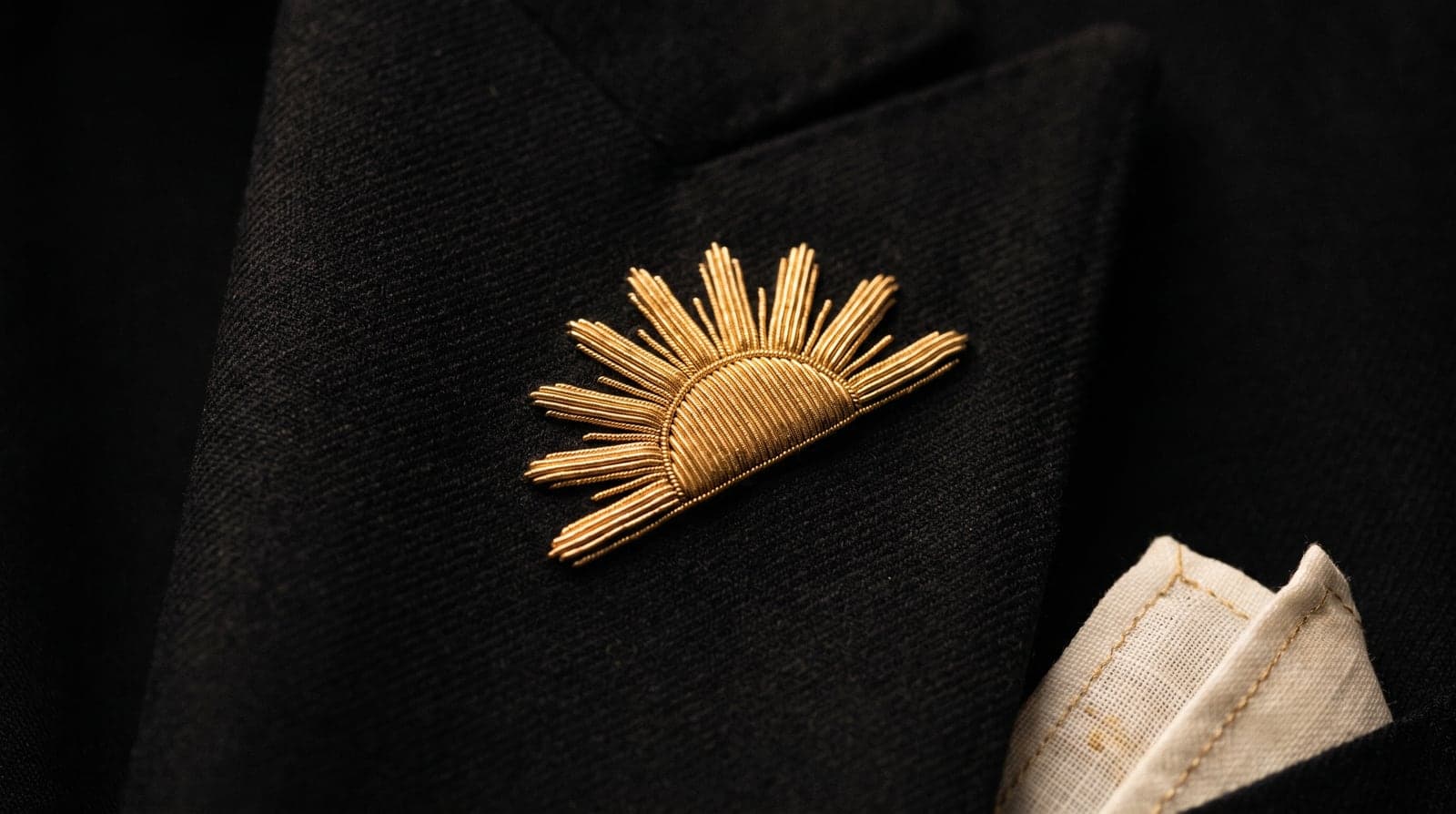
When the carnet closes, the encounter remains. What was taken in those few minutes is not a set of dimensions but an understanding, carried forward into every stitch. The half-sun rises slowly, by design; so does the work it watches over. The measure is where the making begins, and where the house keeps its first promise. Discreetly signed, by FFGR & IFGR.